Hibachi is more than just a meal. It is a dining experience that combines fresh grilled food, skilled cooking techniques, and interactive entertainment. From sizzling steak and seafood to chef performances around a hot grill, hibachi restaurants have become one of the most popular Japanese-inspired dining experiences in the United States.
Many people associate hibachi with lively Japanese steakhouses where chefs cook directly in front of guests. However, hibachi has a much deeper history rooted in traditional Japanese cooking culture. Understanding where hibachi comes from and how it evolved helps explain why this style of dining continues to attract families, couples, and groups looking for both great food and memorable experiences.
What Is Hibachi?
The word “hibachi” originally referred to a traditional Japanese heating device made from a round container filled with burning charcoal. In Japan, hibachis were commonly used for warmth and simple cooking purposes.
Over time, the term became associated with grilling food over high heat. Today, in the United States, hibachi commonly refers to Japanese-style restaurants where chefs prepare meals on a large grill directly in front of guests.
Modern hibachi dining focuses on:
- Freshly grilled food
- Interactive chef performances
- Social dining experiences
- High-heat cooking techniques
Although American hibachi restaurants differ from traditional Japanese hibachi cooking, they still reflect important aspects of Japanese-inspired culinary culture.
The History of Hibachi Cooking
Hibachi cooking has its roots in Japan, where charcoal heating containers were first introduced centuries ago. Traditional Japanese grilling focused on simplicity, precision, and the natural flavor of ingredients.
When Japanese cuisine became more popular internationally during the mid-20th century, restaurants in the United States adapted these cooking techniques into a more interactive dining format. Chefs began preparing meals on flat-top grills in front of customers while adding entertaining cooking tricks and performances.
This combination of fresh food and live entertainment helped hibachi restaurants grow rapidly in popularity across America.
Today, hibachi dining blends:
- Japanese-inspired cooking traditions
- Teppanyaki grilling techniques
- American-style dining entertainment
Hibachi vs Teppanyaki: What’s the Difference?
Many people use the terms hibachi and teppanyaki interchangeably, but there are important differences between the two.
Traditional Hibachi
Traditional hibachi uses a small open-grate charcoal grill. The cooking method is simple and focuses mainly on grilling ingredients over direct heat.
Teppanyaki
Teppanyaki uses a large flat iron griddle where chefs cook food directly in front of guests. This is the cooking style most commonly seen in American hibachi restaurants today.
Although most modern “hibachi restaurants” actually use teppanyaki grills, the word hibachi has become widely recognized in American dining culture.
How Hibachi Cooking Works
One of the reasons hibachi dining is so popular is the exciting cooking process itself.
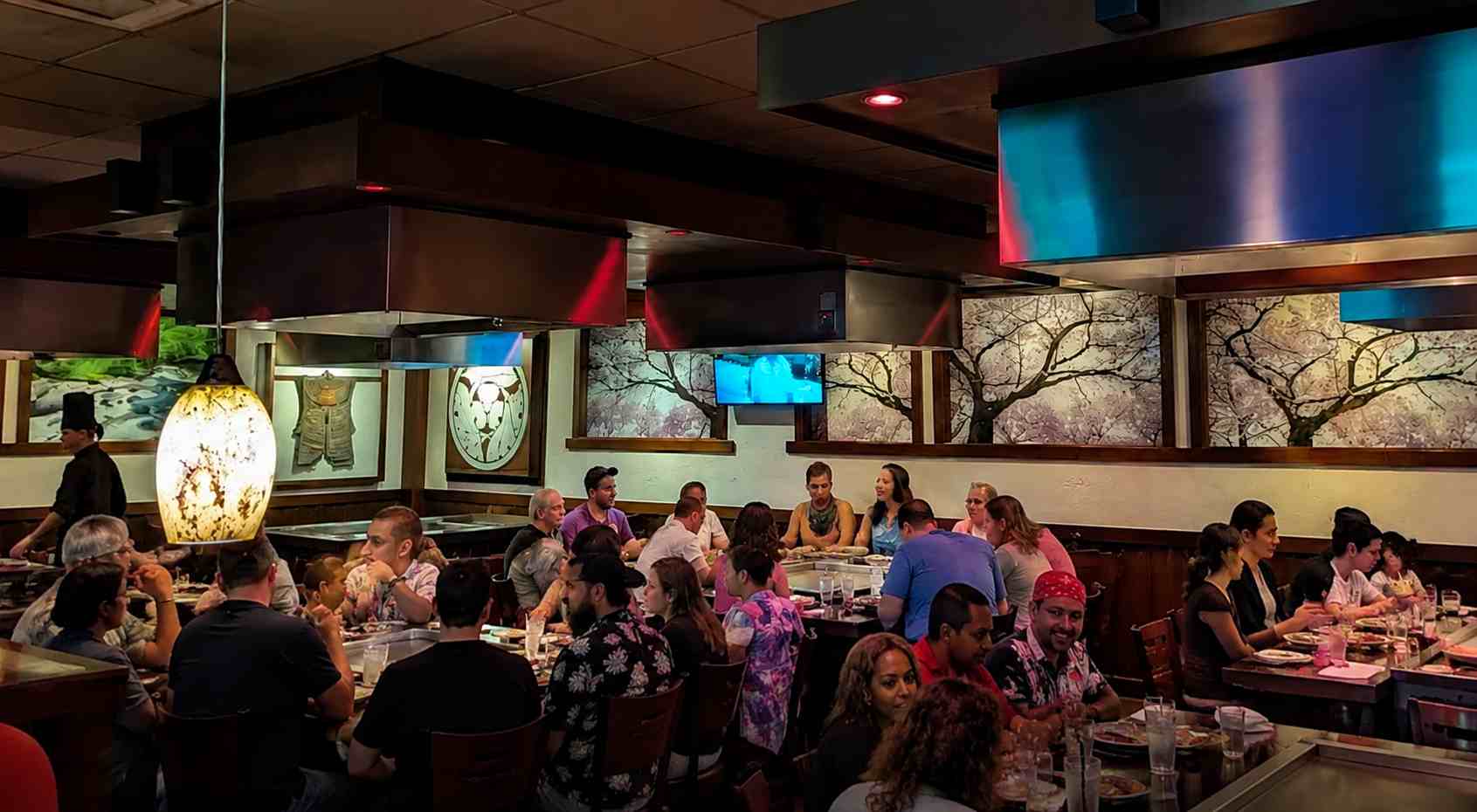
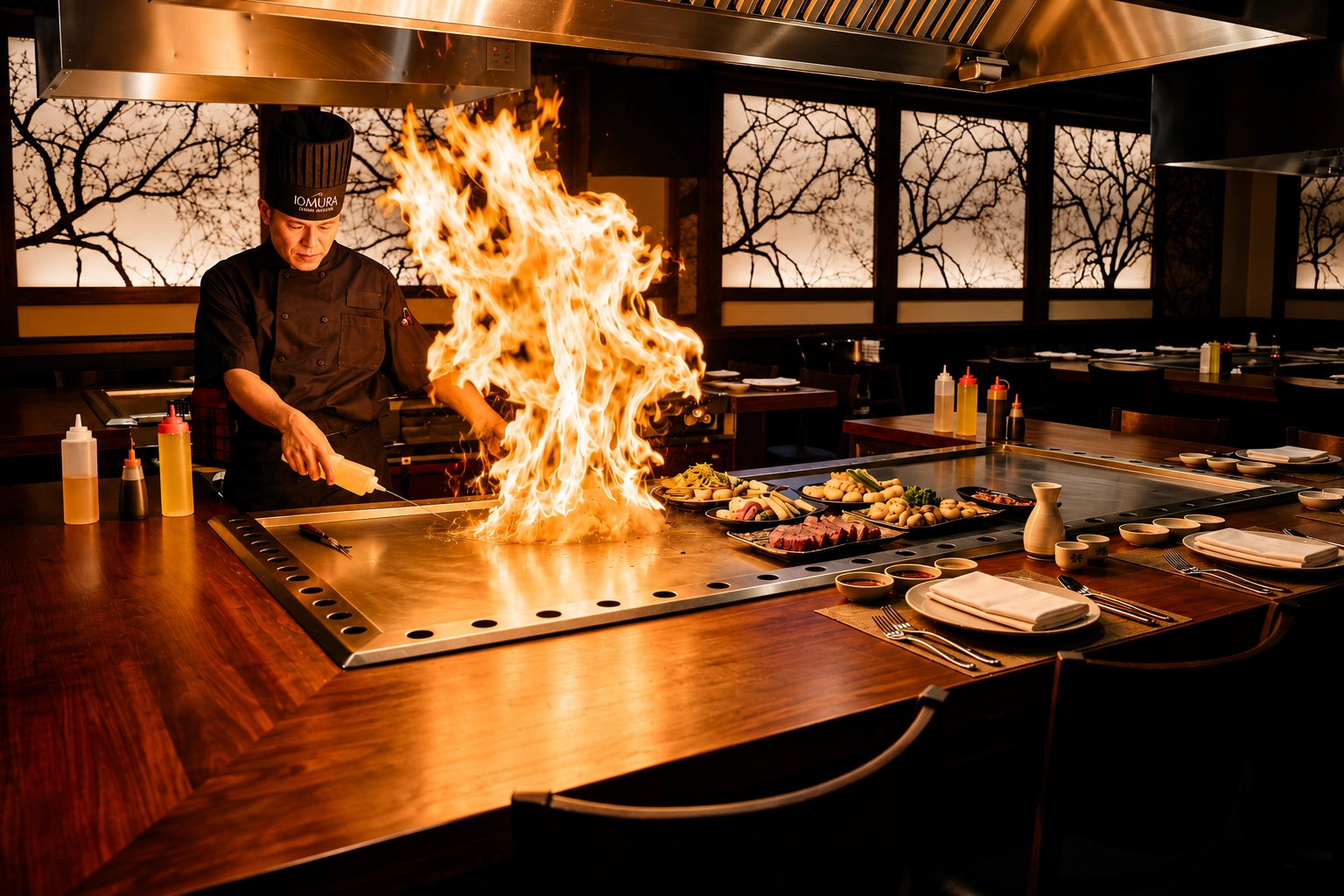
At hibachi restaurants, guests sit around a shared grill while chefs prepare meals directly in front of them. The cooking process often includes:
- Knife tricks
- Flaming onion volcanoes
- Tossing shrimp
- Fast-paced cooking performances
While the entertainment aspect is important, hibachi chefs also require strong cooking skills and years of experience to prepare meals properly under high heat.
The high-temperature grill helps:
- Lock in flavor
- Cook food quickly
- Maintain tenderness
- Preserve freshness
This creates meals that are served hot and fresh directly from the grill.
Popular Foods Served at Hibachi Restaurants
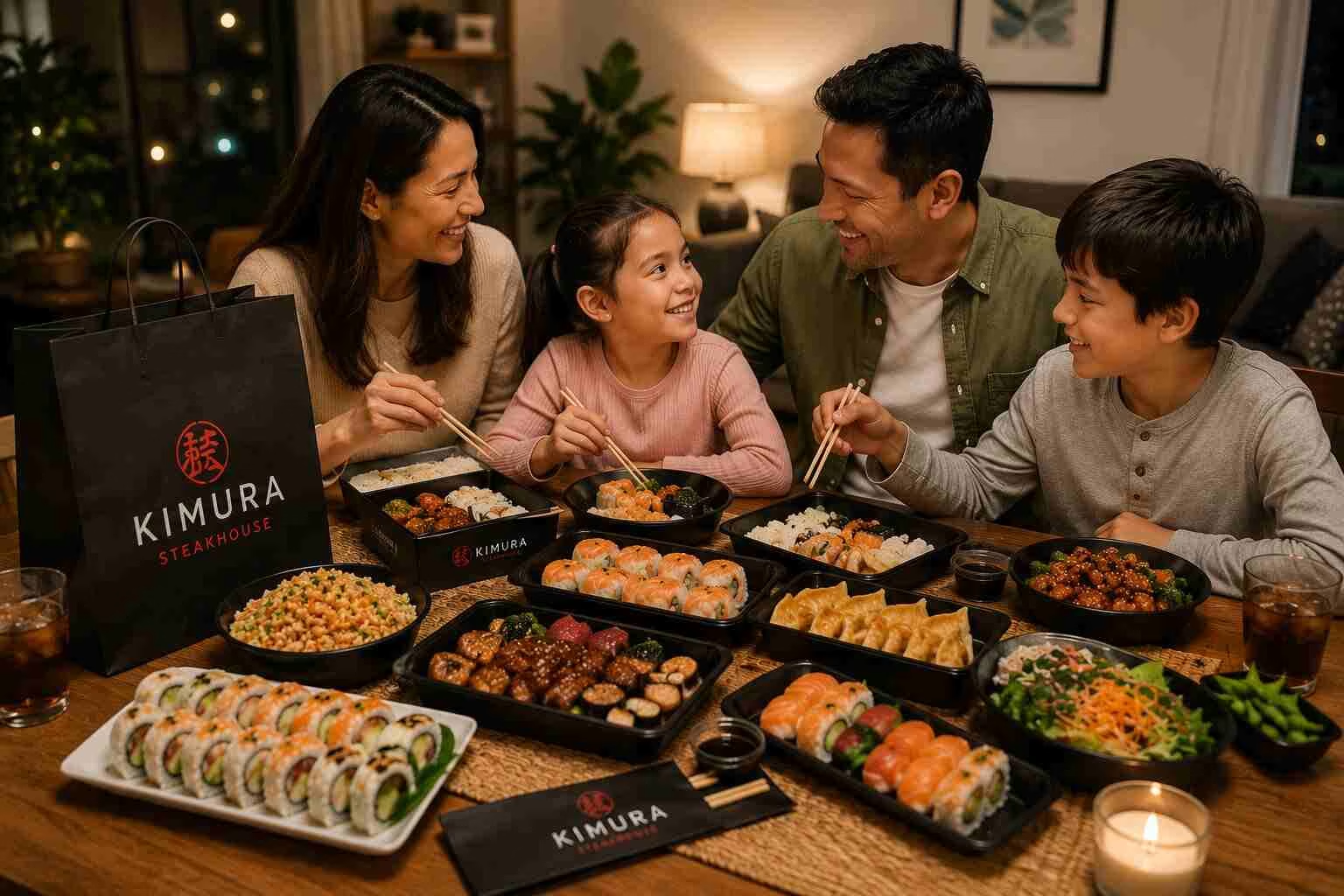
Hibachi restaurants typically offer a wide variety of grilled proteins, vegetables, and side dishes. Many guests also enjoy ordering fresh hibachi meals and Japanese-inspired dishes for takeout and family dinners.
Steak and Chicken
Steak and chicken remain the most popular hibachi choices. These proteins are grilled quickly while staying juicy and flavorful.
Seafood
Shrimp, scallops, lobster, and salmon are common seafood options at Japanese grill restaurants. Fresh seafood cooks especially well on high-temperature grills.
Fried Rice and Noodles
Hibachi fried rice is often prepared with eggs, garlic butter, vegetables, and soy sauce directly on the grill. Noodles are another popular side dish that pairs well with grilled meats and seafood.
Vegetables
Zucchini, onions, mushrooms, carrots, and broccoli are commonly included in hibachi meals. The intense grill heat creates a slightly smoky and caramelized flavor.
Signature Sauces
Many hibachi restaurants serve sauces such as:
- Yum yum sauce
- Ginger sauce
- Mustard sauce
These sauces enhance the flavor of grilled foods and are often a major part of the dining experience.
Why Hibachi Restaurants Are So Popular
Hibachi restaurants continue to grow in popularity because they offer more than traditional dining.
Interactive Entertainment
Guests enjoy watching chefs cook and perform in real time. The entertainment creates an engaging atmosphere for all age groups.
Social Dining Experience
Hibachi dining encourages conversation and group interaction because guests sit together around a shared grill table.
Freshly Prepared Meals
Food is cooked immediately before serving, which improves freshness, texture, and flavor.
Great for Celebrations
Hibachi restaurants are popular for:
- Birthdays
- Anniversaries
- Family dinners
- Corporate gatherings
- Group celebrations
The lively atmosphere makes special occasions feel more memorable. Positive online reviews also show that many guests enjoy hibachi restaurants for their fresh ingredients, entertaining chefs, and social dining atmosphere
Is Hibachi Authentic Japanese Cuisine?
Hibachi cooking does have authentic Japanese origins, particularly regarding grilling techniques and ingredient preparation. However, the modern American hibachi restaurant experience has evolved significantly over time.
In Japan, traditional hibachi cooking is generally simpler and less theatrical. American hibachi restaurants added live performances and larger portions to appeal to Western audiences.
Even so, many important Japanese culinary values remain present, including:
- Fresh ingredients
- Skilled preparation
- Attention to presentation
- Hospitality and guest interaction
The Modern Hibachi Dining Experience
Today’s hibachi restaurants combine food and entertainment in a way few dining styles can match.
The experience usually begins with guests gathering around a hot grill table while the chef prepares ingredients in front of everyone. The sounds of sizzling food, rising flames, and fast-paced cooking create an exciting atmosphere from start to finish.
Many chefs personalize performances by interacting with guests, joking with families, and adapting the experience for birthdays or celebrations.
This combination of:
- Flavorful food
- Live entertainment
- Group interaction
- Fresh cooking
is what makes hibachi dining so unique.
Final Thoughts
Hibachi dining continues to attract people looking for more than just a restaurant meal. It combines fresh ingredients, skilled cooking, and interactive entertainment into one memorable experience.
From its traditional Japanese roots to the modern teppanyaki-style restaurants popular today, hibachi remains one of the most recognizable and enjoyable Japanese-inspired dining experiences.
Whether you are visiting a Japanese steakhouse for the first time or already enjoy hibachi regularly, the experience offers a unique combination of flavor, atmosphere, and social connection that keeps diners coming back.
FAQs
1: Is hibachi Japanese or American?
Hibachi has Japanese origins, but the modern restaurant-style experience popular in the United States has evolved to include American-style entertainment and dining elements.
2: Do hibachi restaurants use charcoal grills?
Traditional hibachi cooking used charcoal grills. However, most modern hibachi restaurants in the U.S. use flat iron teppanyaki grills.
3: What food is served at hibachi restaurants?
Common hibachi foods include steak, chicken, shrimp, fried rice, noodles, vegetables, and seafood served with signature sauces.
4: Is hibachi healthy?
Hibachi meals can be healthy depending on ingredients and portion sizes. Grilled proteins and vegetables are generally healthier options compared to heavily fried foods.
5: Why do people like hibachi restaurants?
People enjoy hibachi restaurants because they combine freshly cooked food, live chef performances, and social dining into one entertaining experience.